
Turning purpose into a competitive lifestyle brand
Client • Beyond Shades
Year • 2023
Role • Creative Director, Founder
Scope • Brand Development, Content Creation, Packaging Design, Marketing Assets
People don’t buy charity - they buy identity with impact.
Executive Summary
Founded and led the development of Beyond Shades - a direct-to-consumer eyewear brand designed to fund sight-restoring surgeries through product sales. Within 12 months, the concept evolved into a fully market-ready brand system, product line, and DTC platform.
Challenge
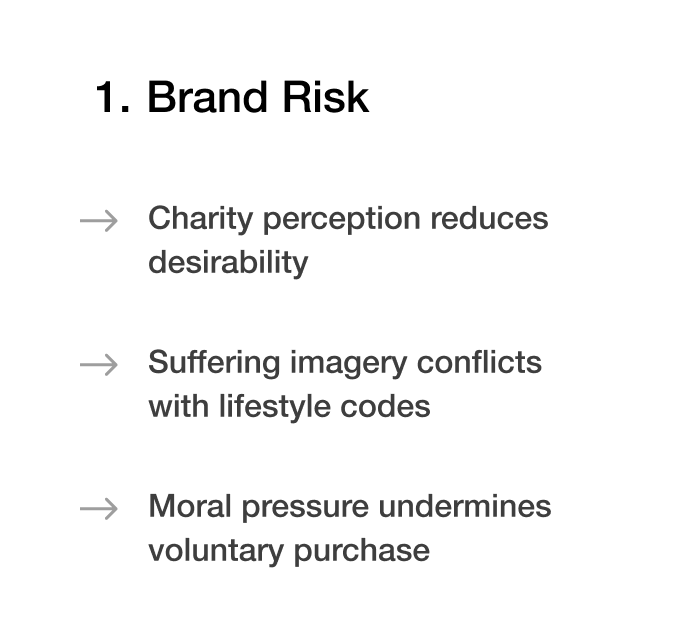
Most purpose-driven brands struggle to compete in lifestyle markets because they are perceived as charitable initiatives rather than desirable products.
In the eyewear category - dominated by fashion-driven incumbents - the key challenge was to build a brand that people would choose for its design and credibility first, while embedding a meaningful social impact model.
Responsibilities
Led the end-to-end creation of the brand, including positioning, identity, product design, packaging, e-commerce, and international production.
Objective
Create a commercially viable brand capable of generating sustainable revenue to fund eye surgeries, without relying on donation-driven messaging.
Strategic Positioning
From obligation to desire
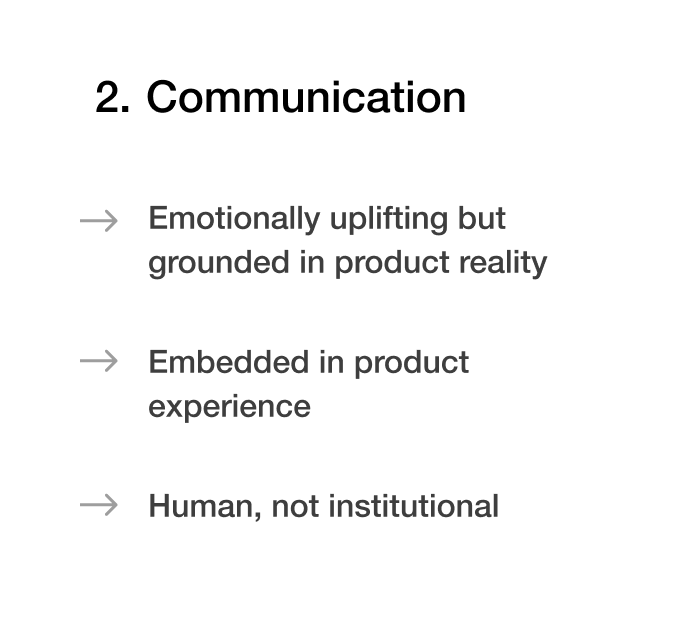
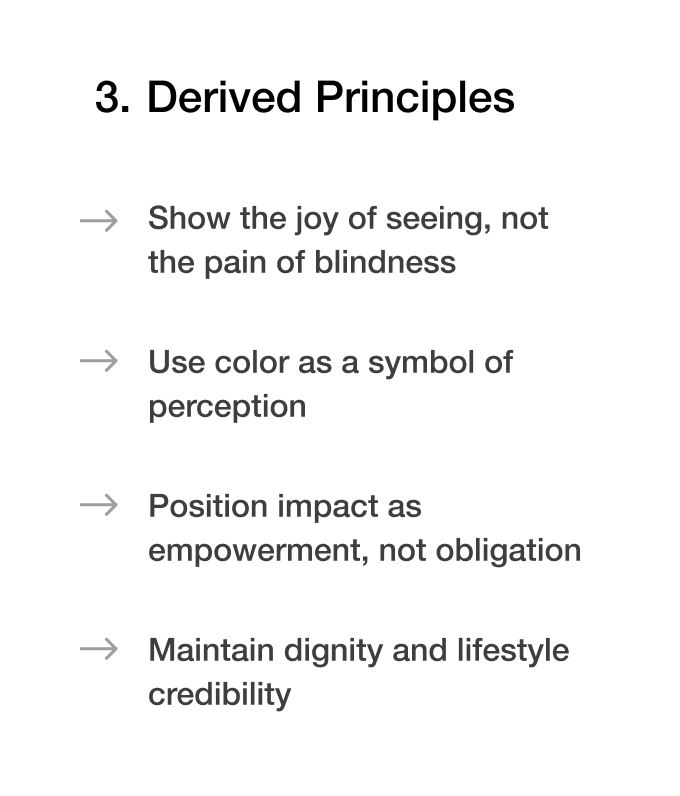
The brand was positioned as a lifestyle eyewear label where purchasing a product becomes a desirable act that also creates measurable impact. Instead of emphasizing need or guilt, the strategy focused on aspiration, confidence, and emotional resonance.
Competitive differentiation
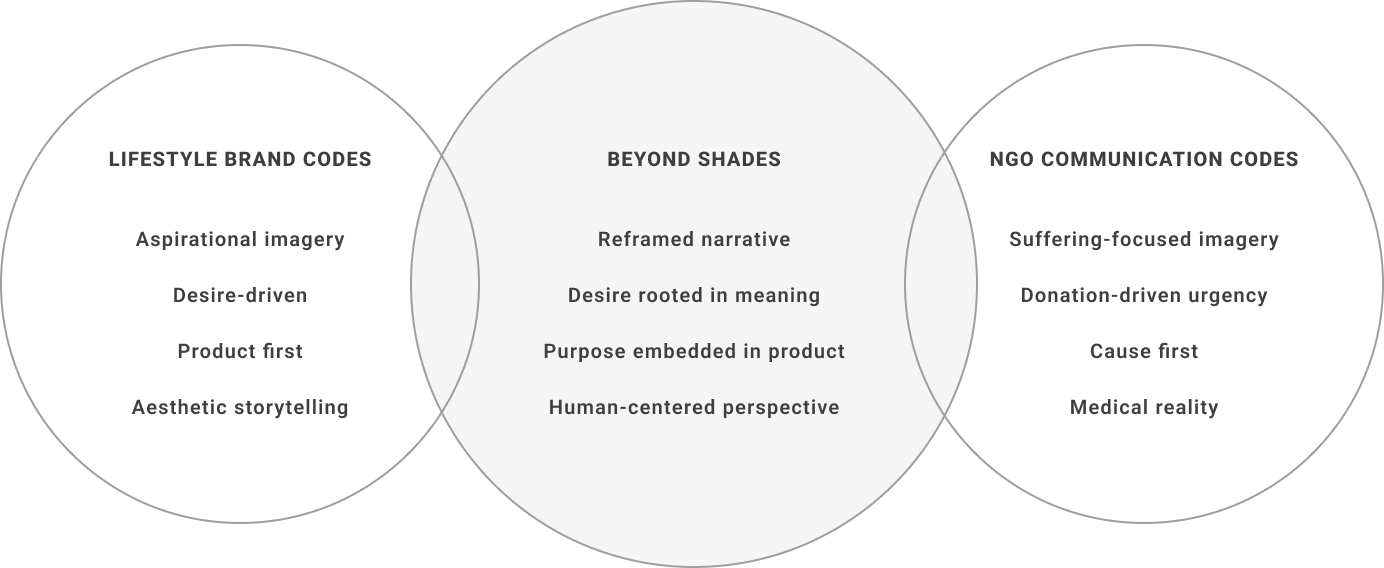
While competitors focused either on fashion or philanthropy, Beyond Shades was positioned at the intersection of:
→ Design-led product appeal
→ Accessible premium pricing
→ Measurable impact per purchase
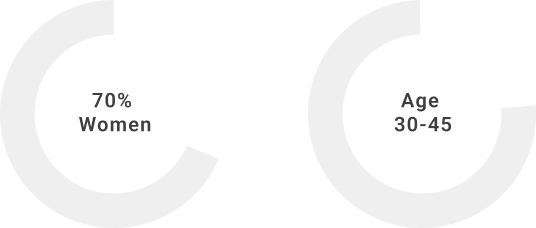
Target audience
Consumers who use design as a form of self-expression and expect brands to reflect their values without moralizing.
Business Awareness
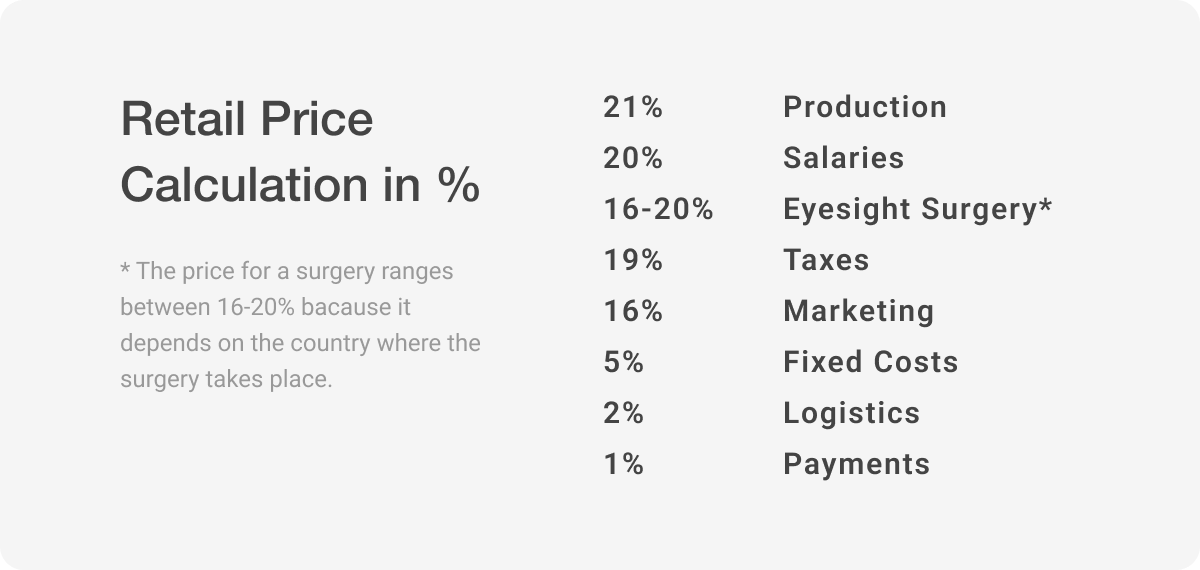
The pricing strategy was designed to remain accessible while maintaining sufficient margin to fund the impact model sustainably. As an unknown premium brand marketing costs might exceed usual costs.
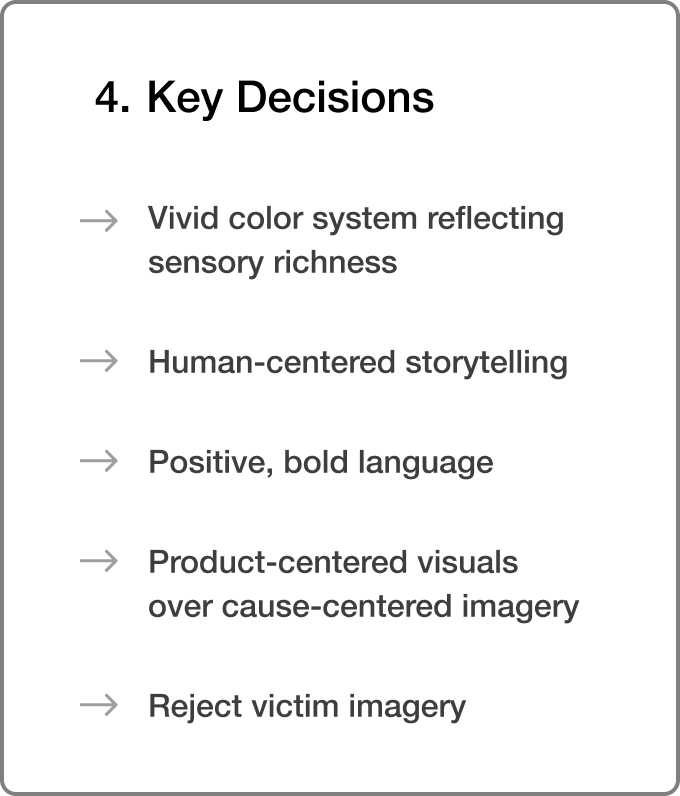
Decision Framework
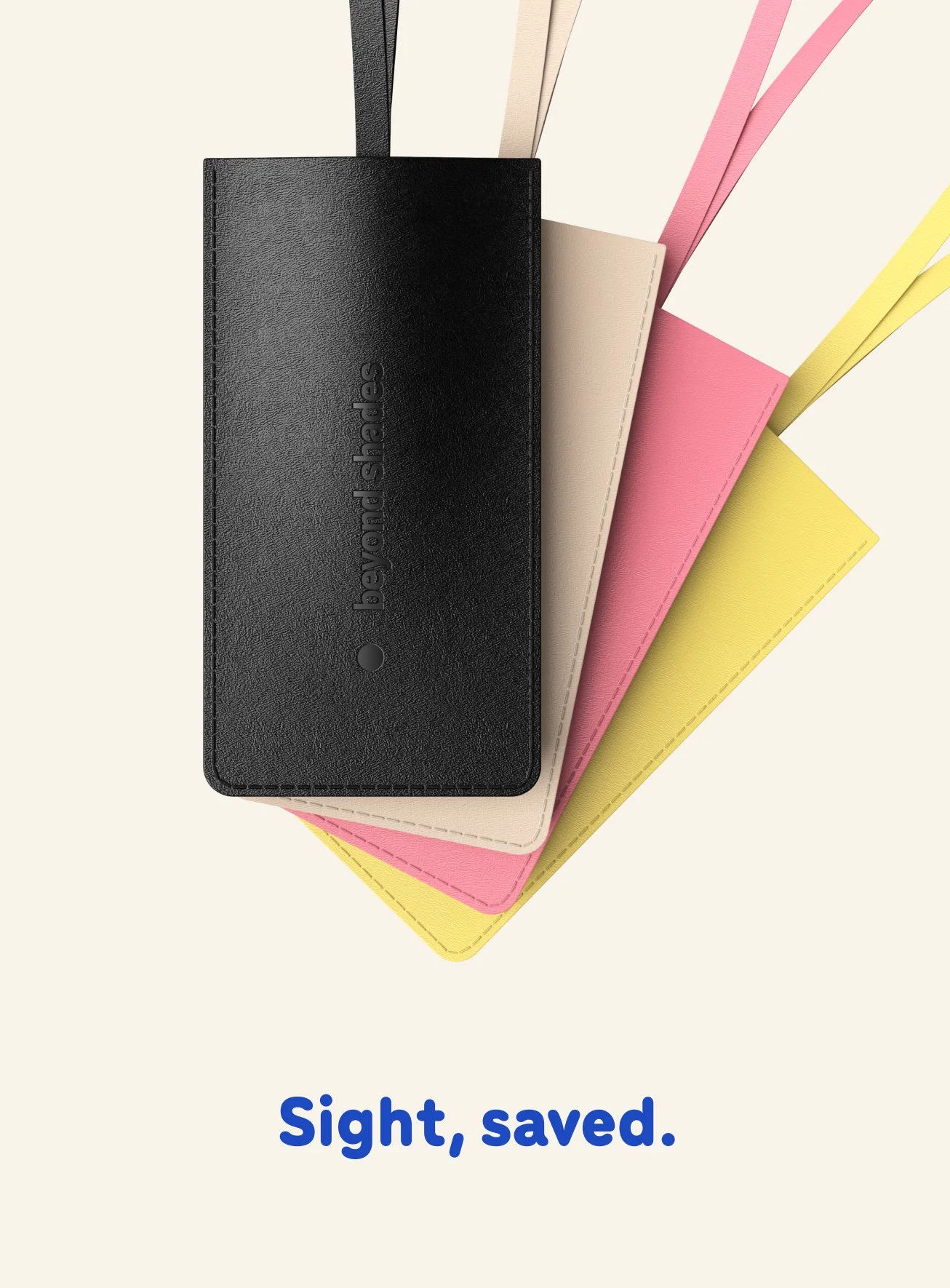
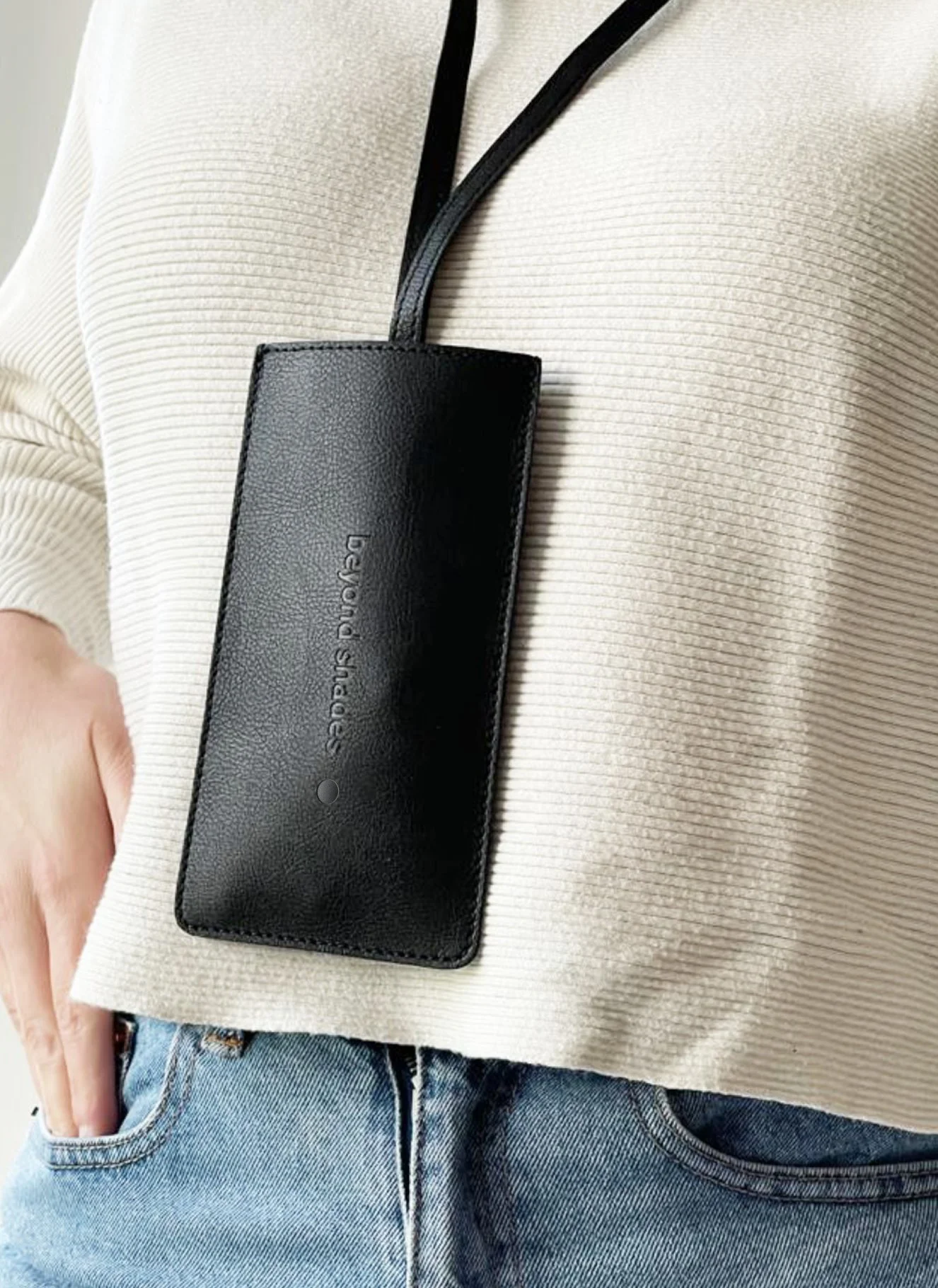
Building a modular identity for consistency at scale
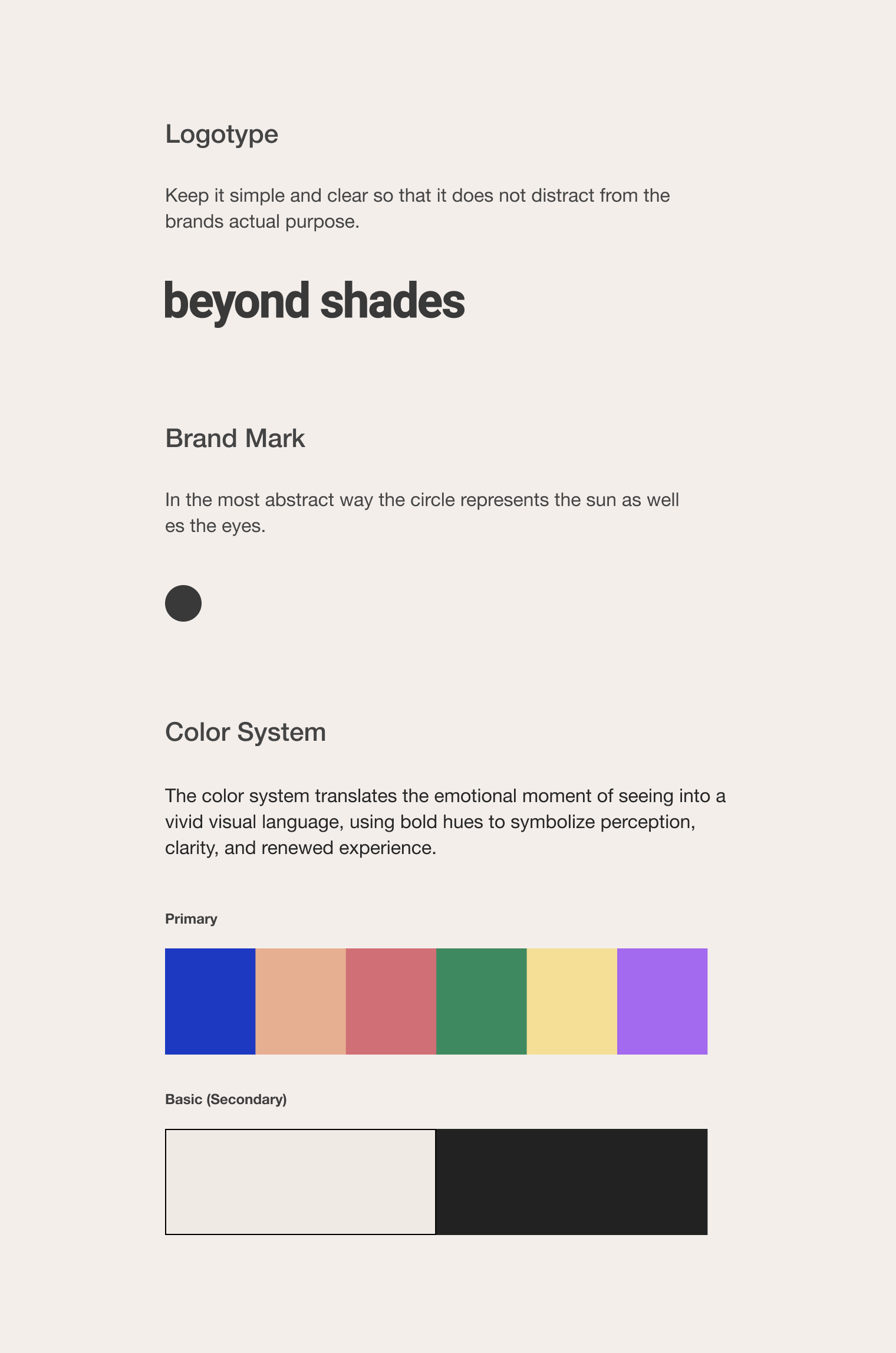
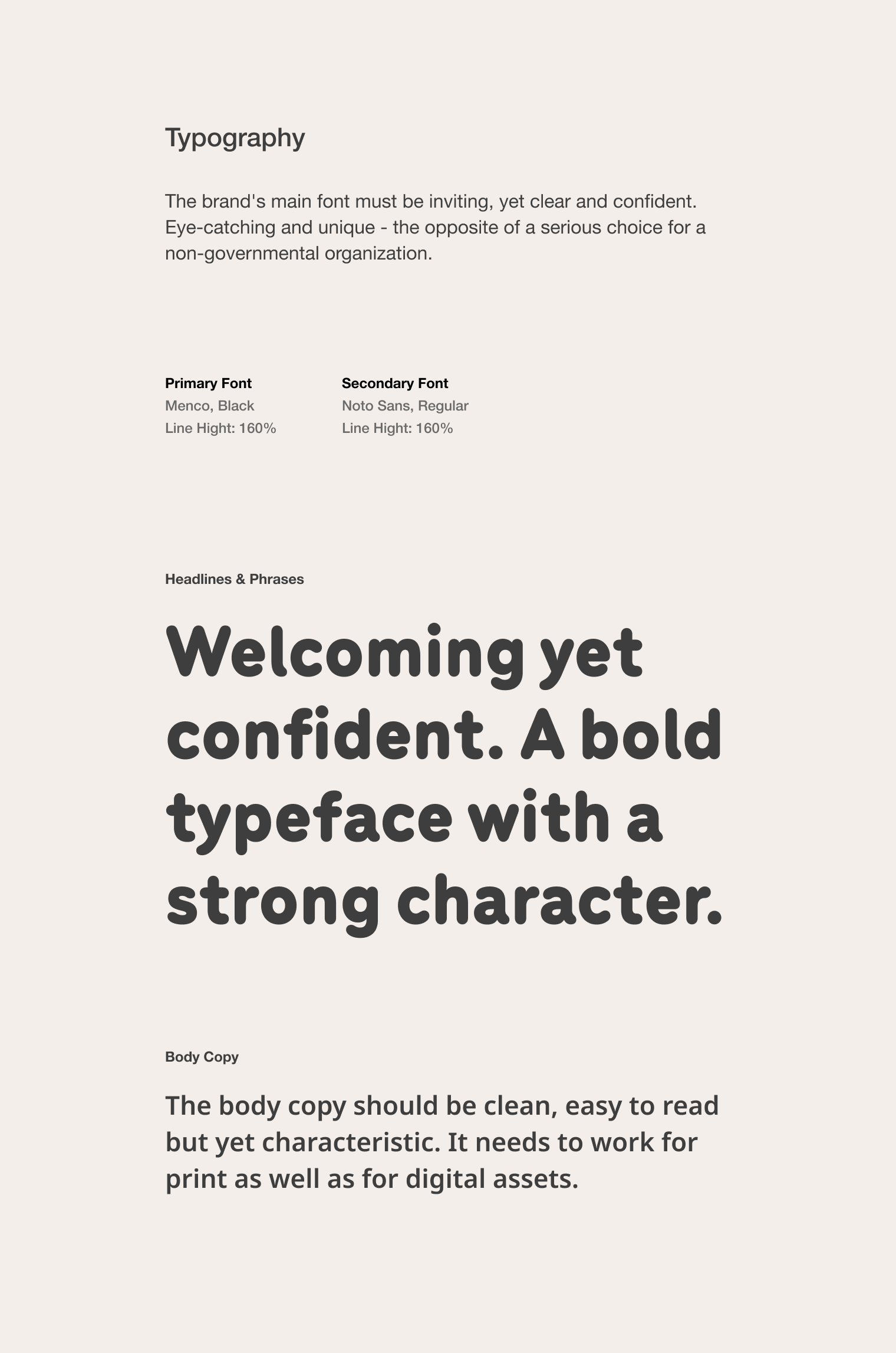

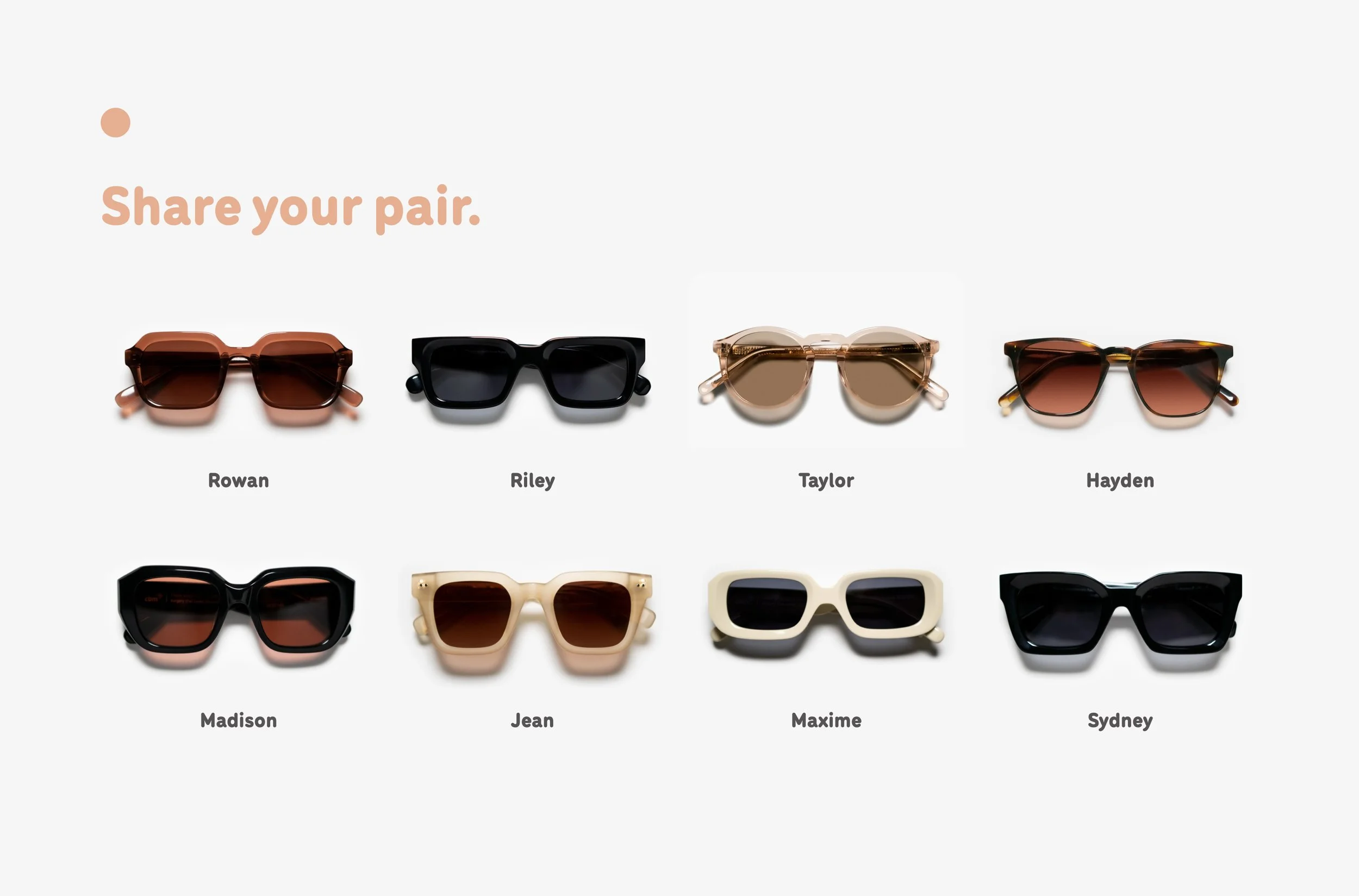
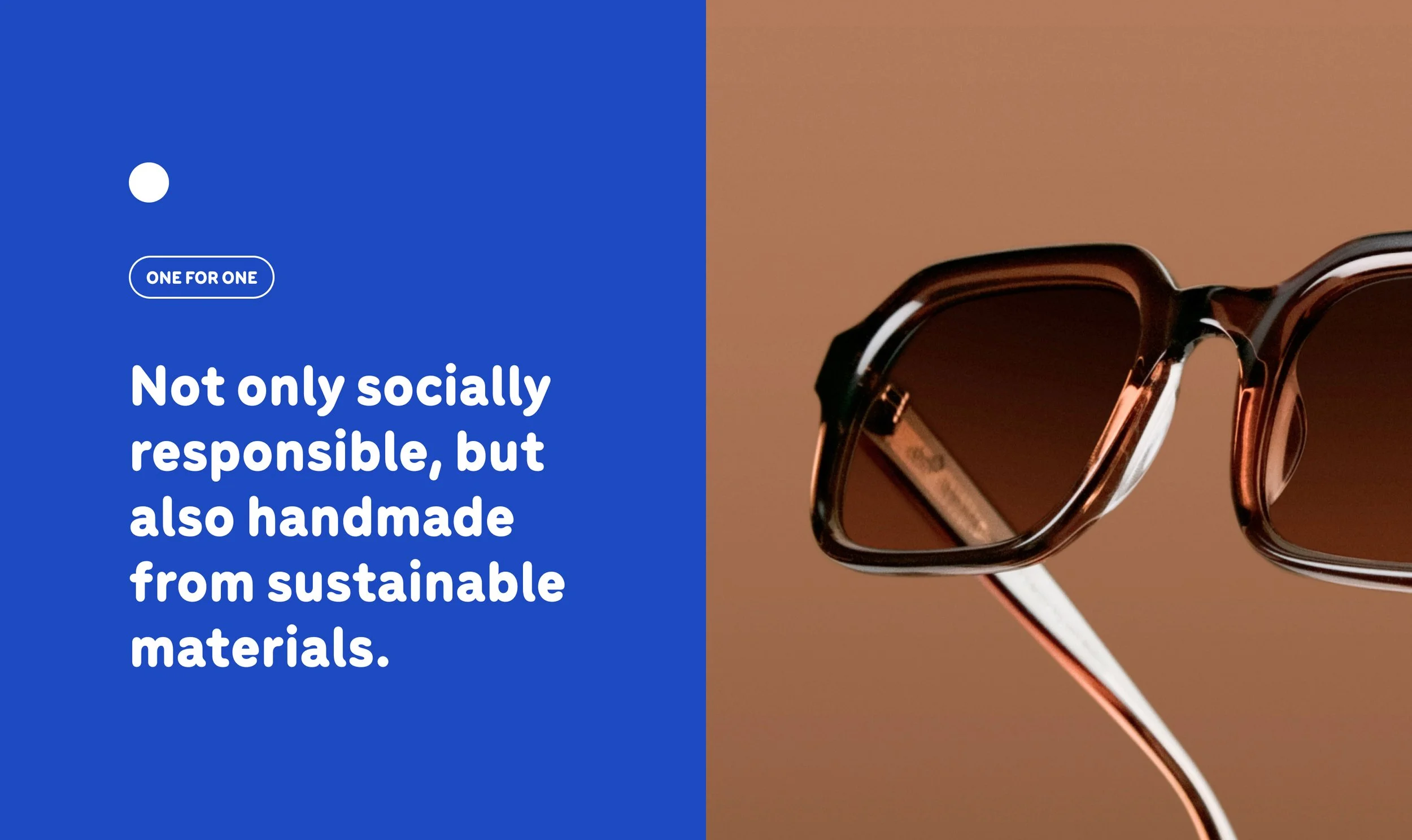
Design objects that people would desire regardless of the mission.
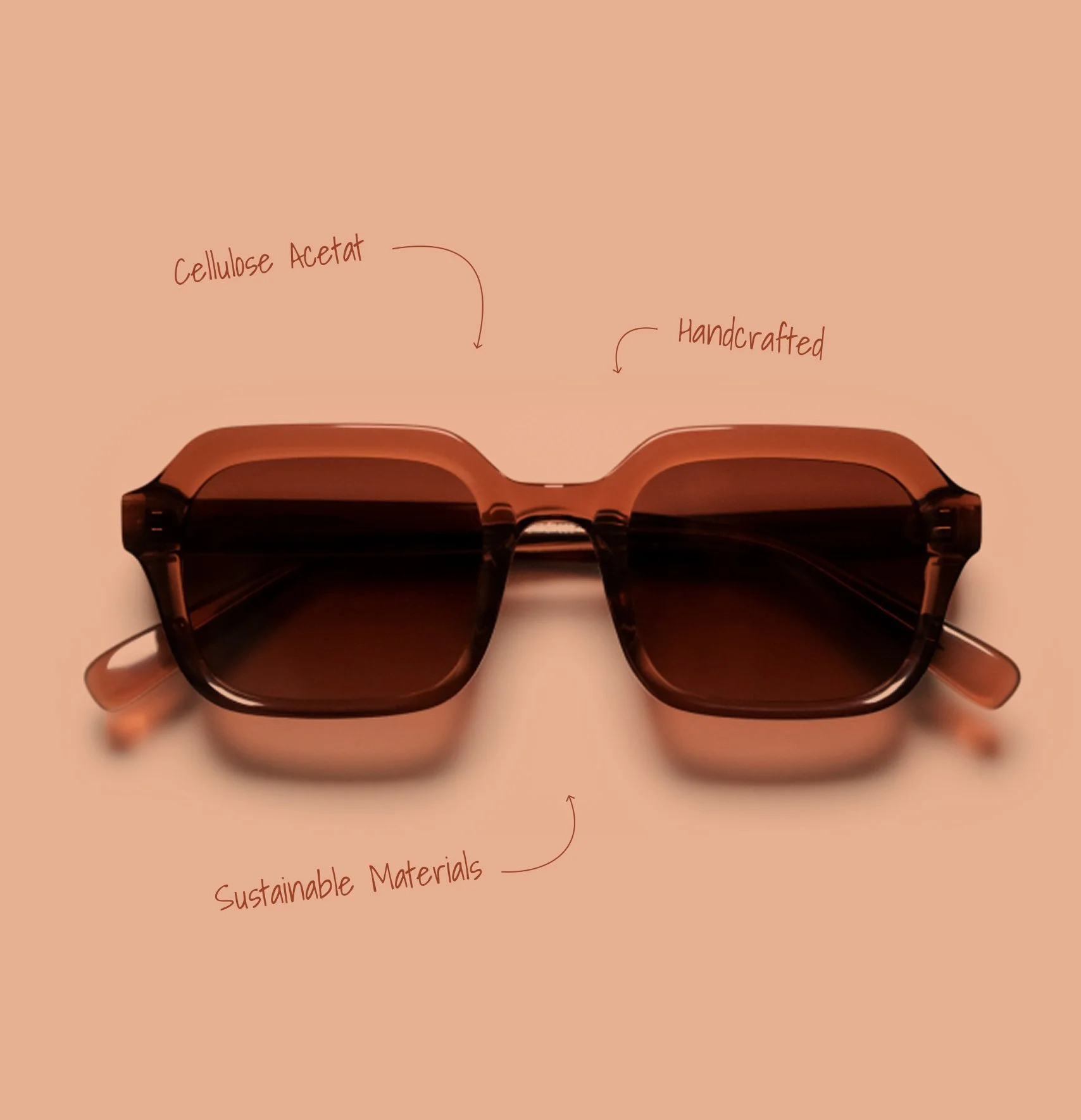
Timeless Shapes
Materials balancing durability and accessibility
Subtle branding to maintain sophistication
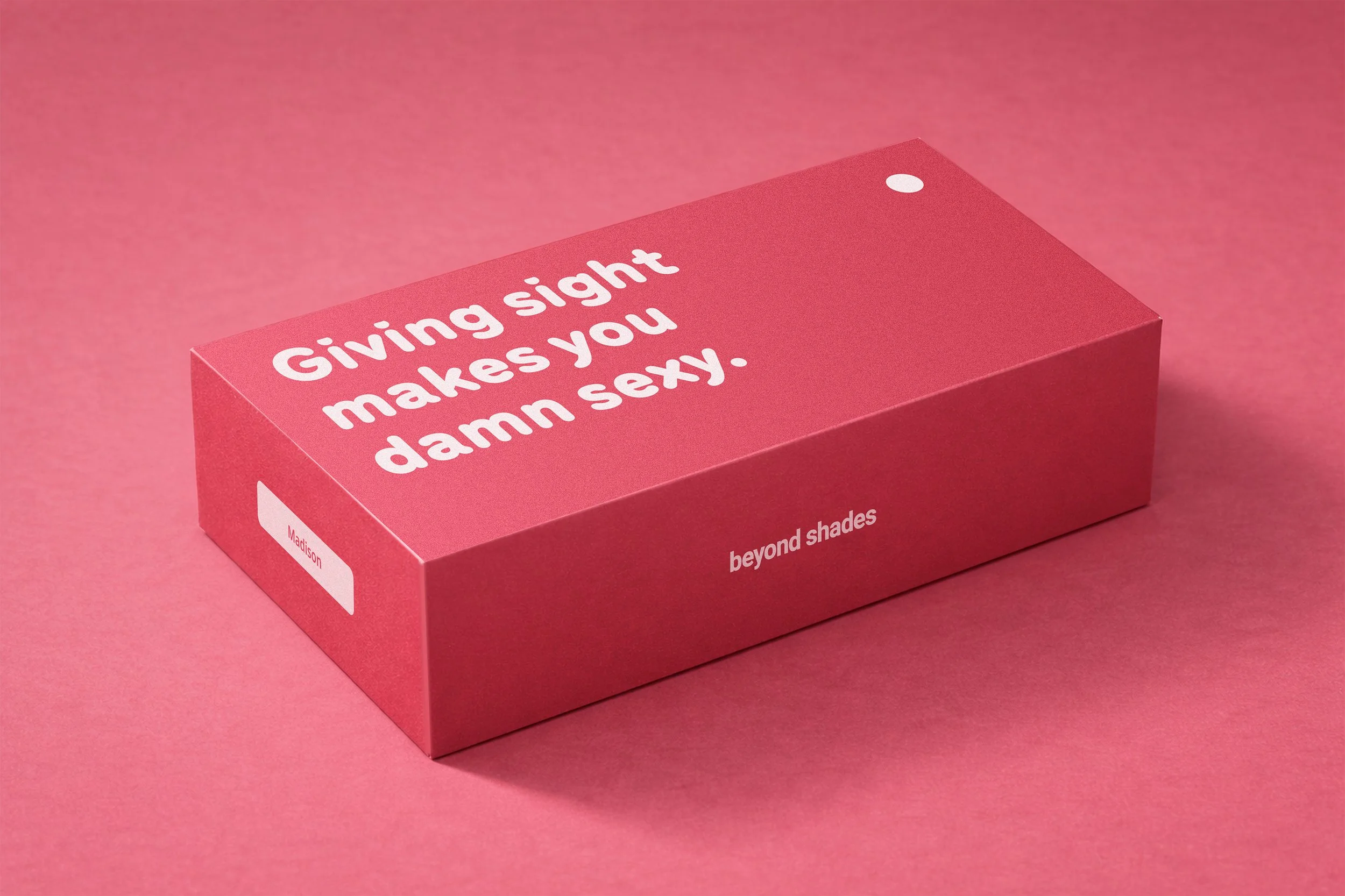

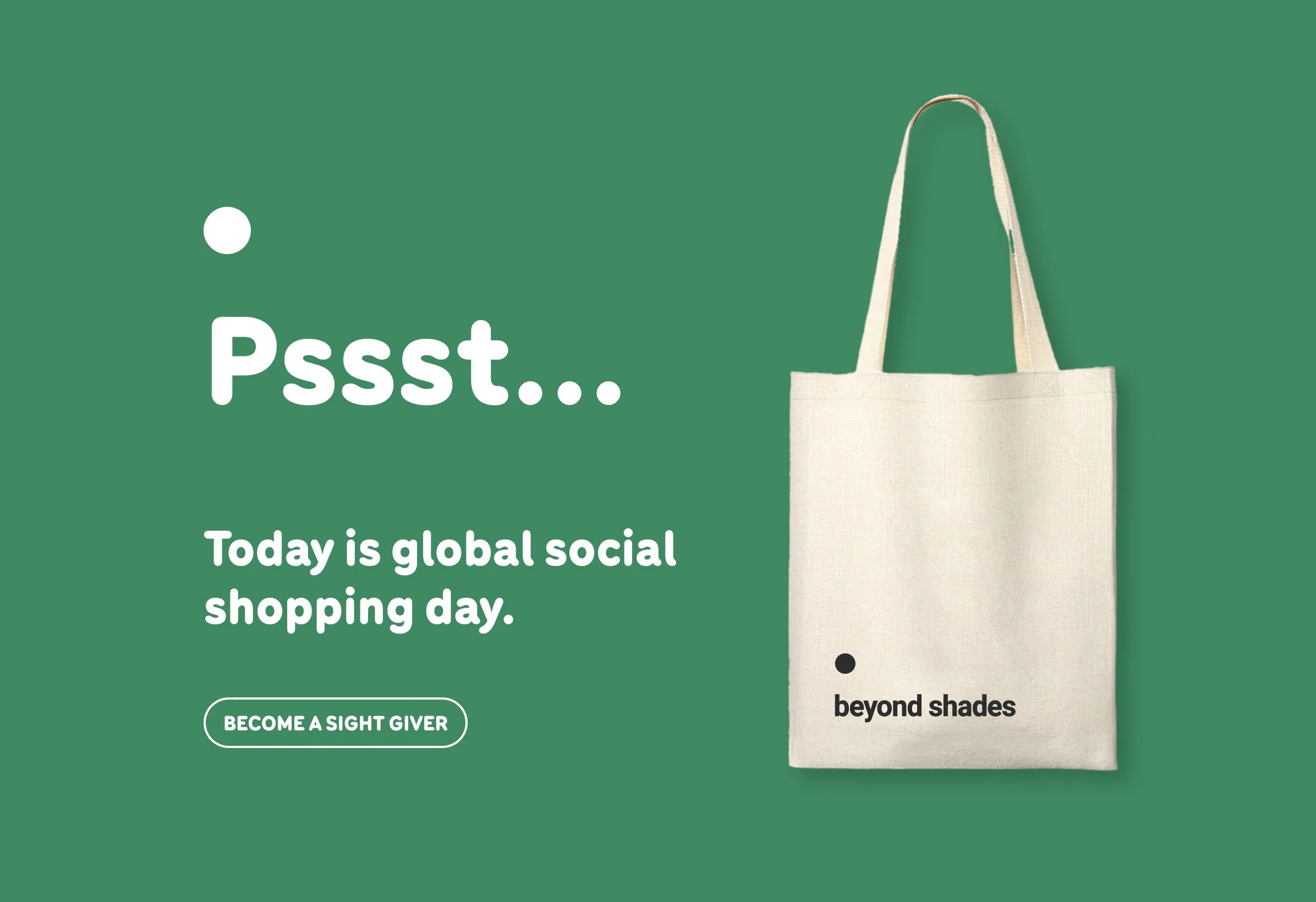
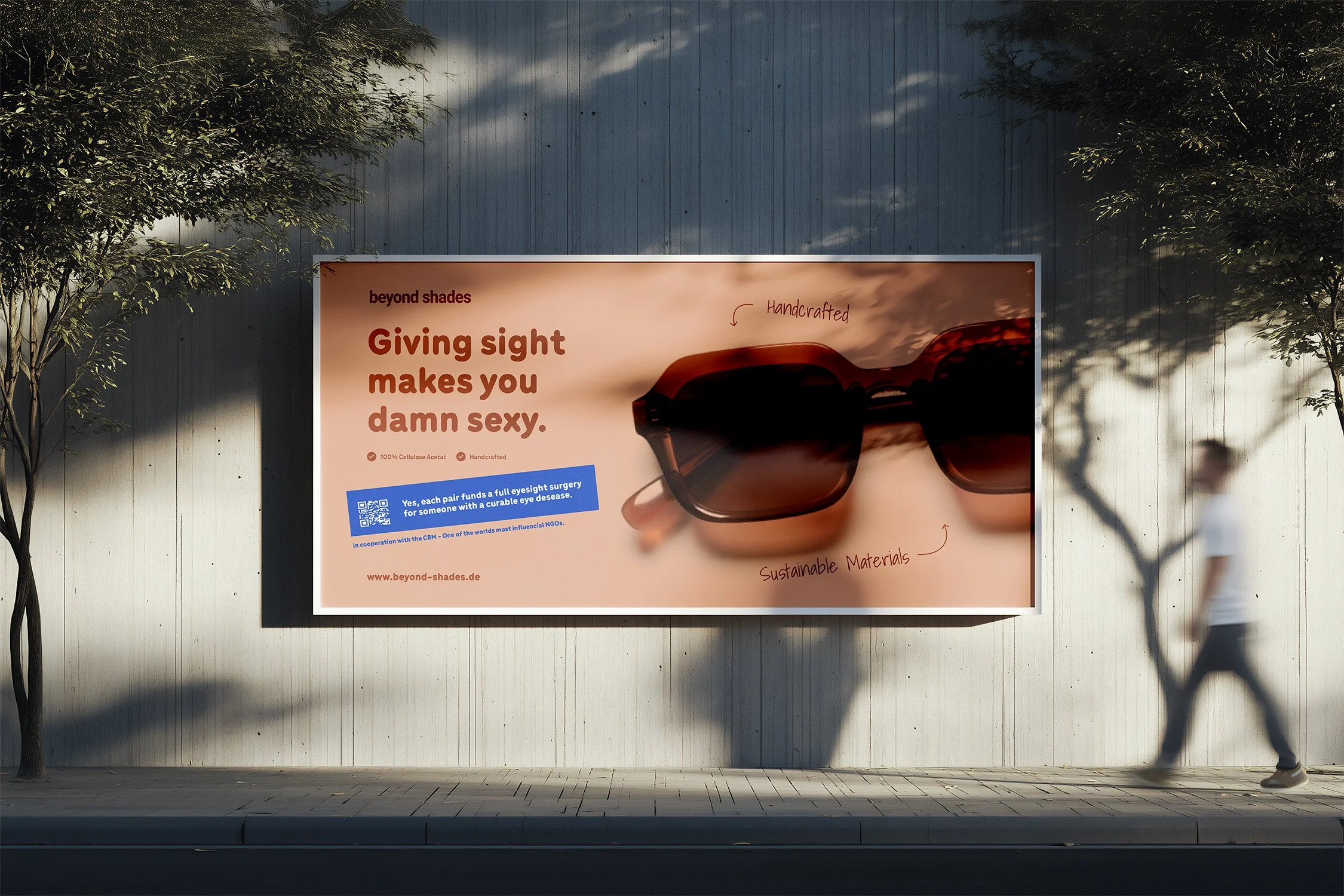
From system to storytelling
Clear wording
Direct narratives
Welcoming tone

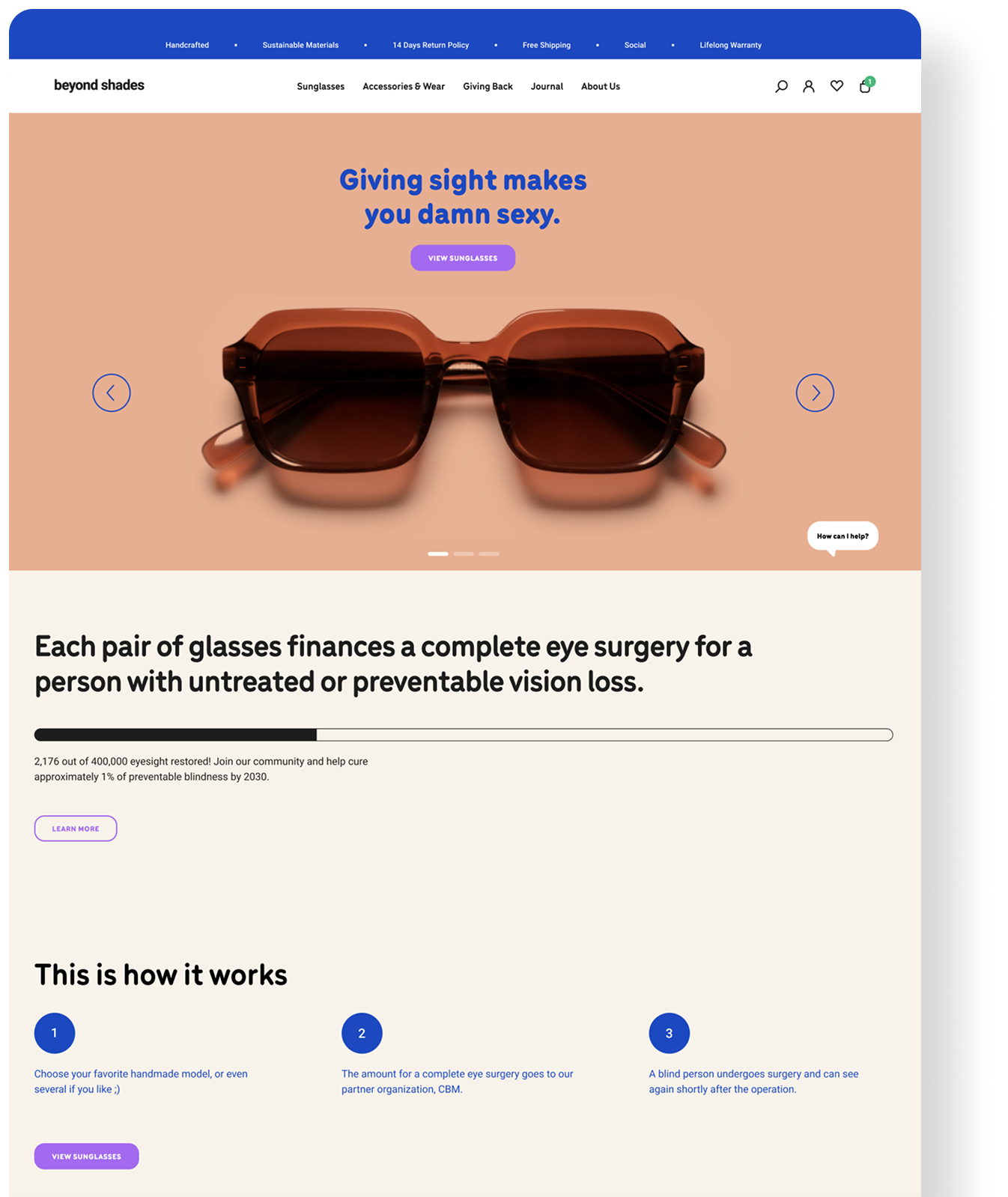
Shop Experience
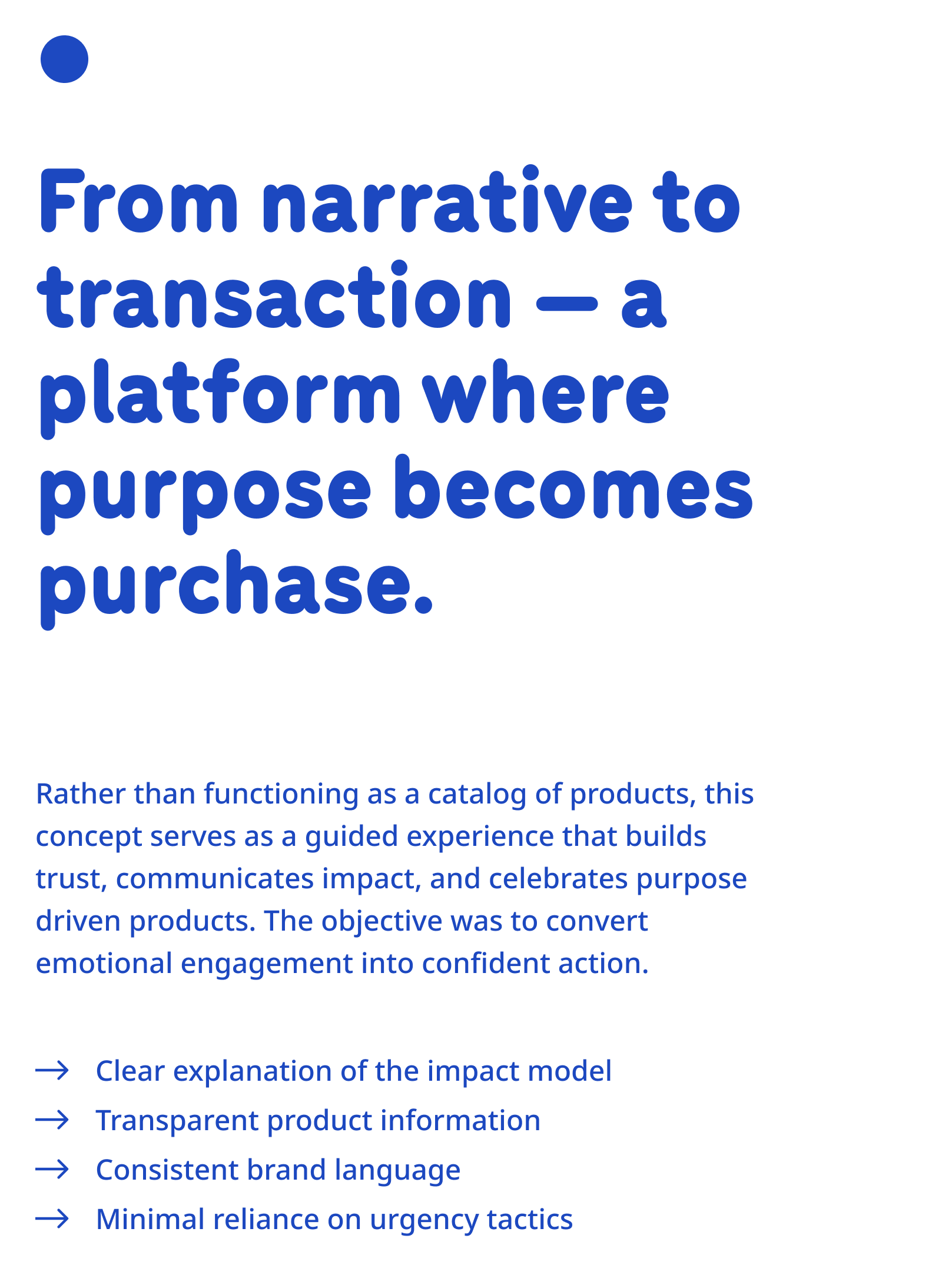
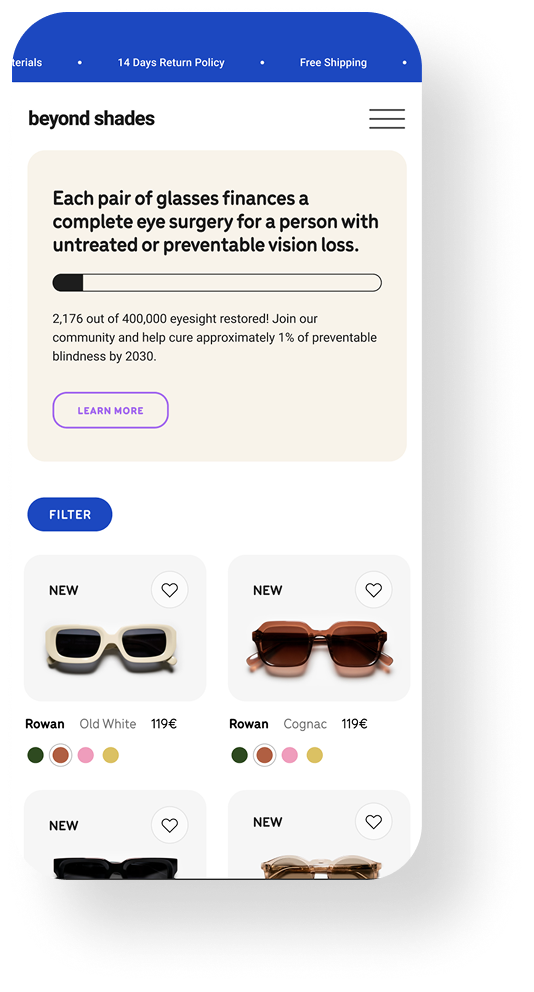
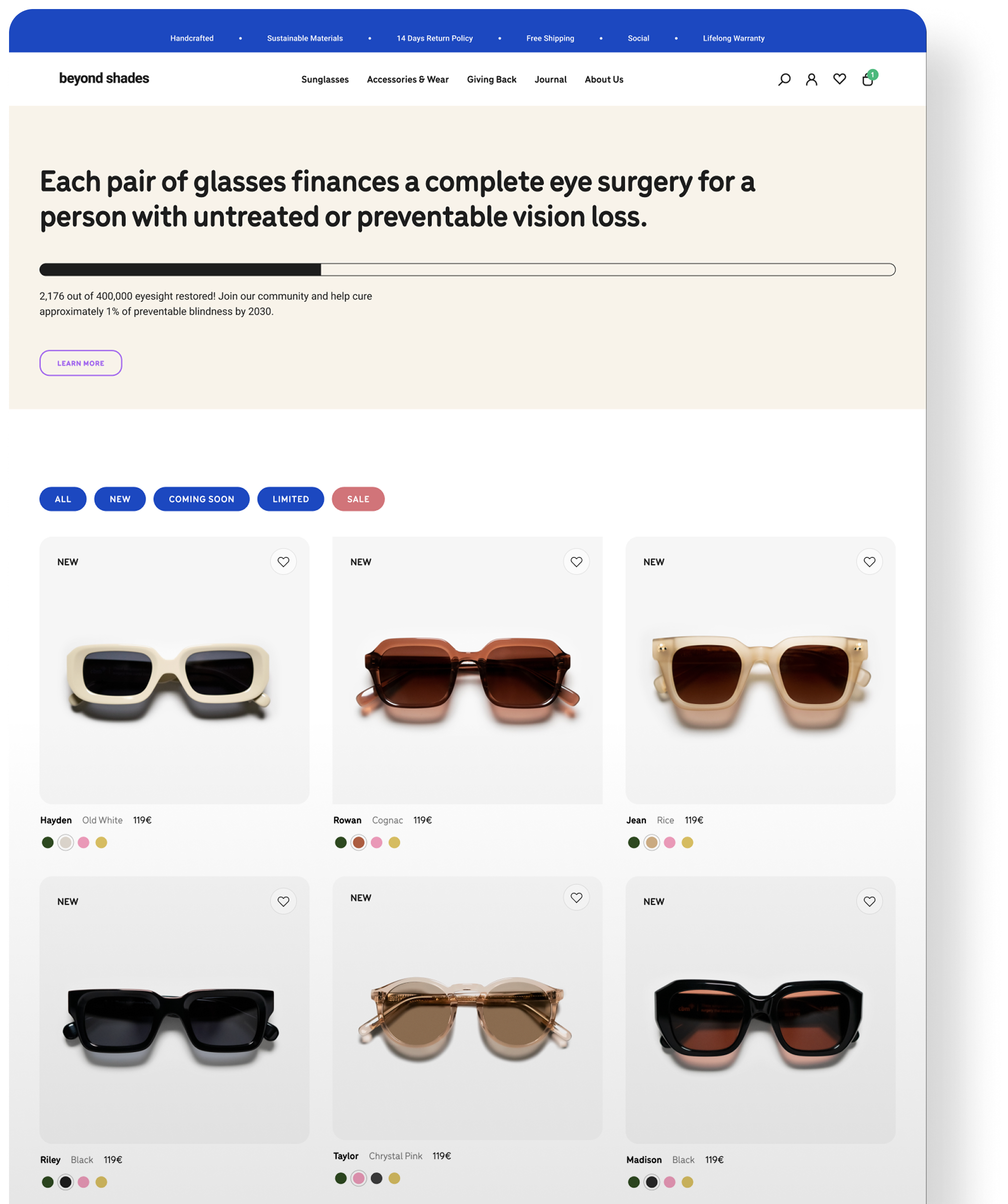
Translating brand into a revenue-generating platform



Managing international manufacturing
From Concept to Production
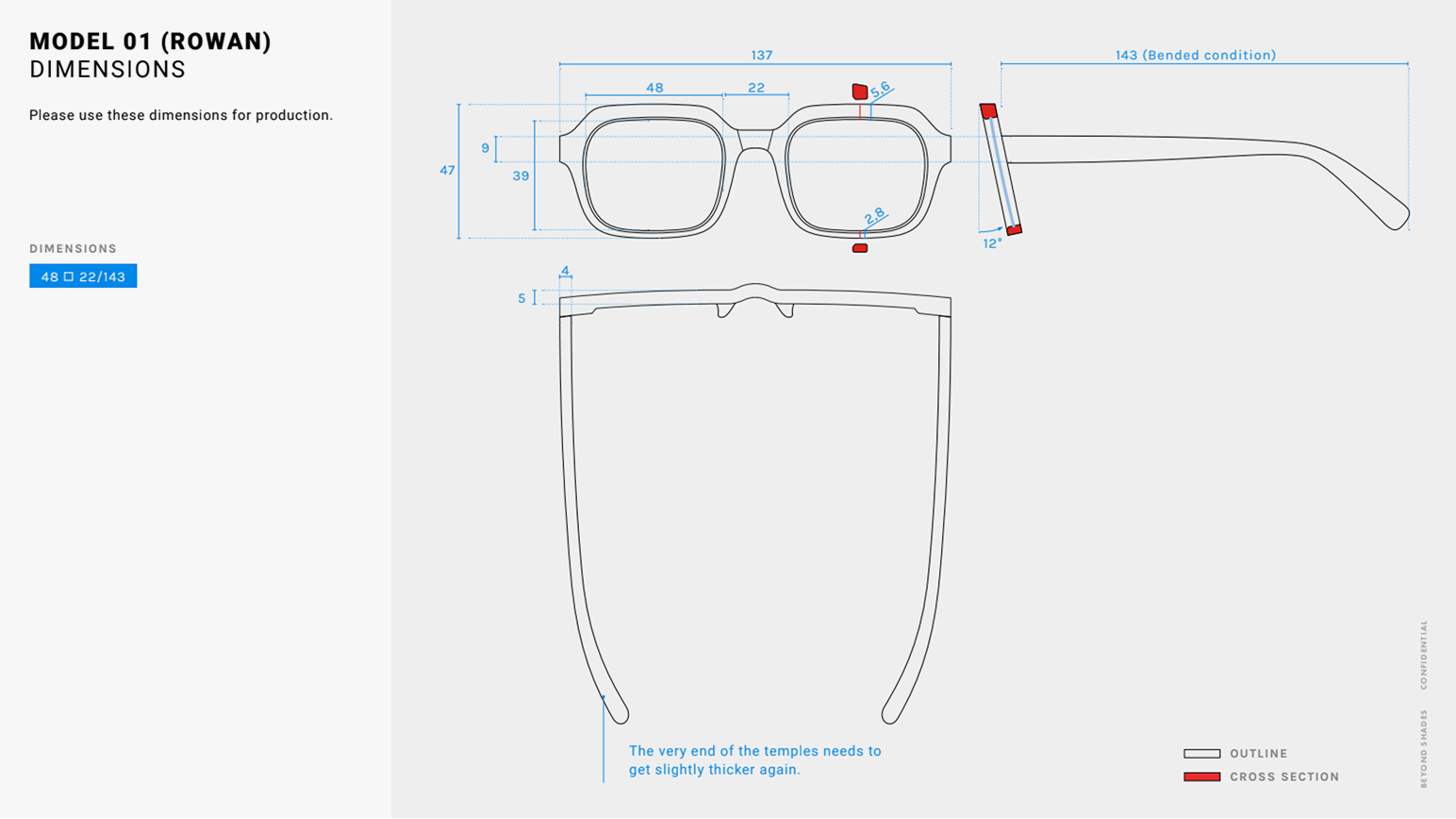
Production involved coordinating suppliers across multiple countries, ensuring quality standards while maintaining cost viability for a direct-to-consumer price point.
Responsibilities
Supplier evaluation and selection
Prototype development and iteration
Quality control processes
Production timeline management
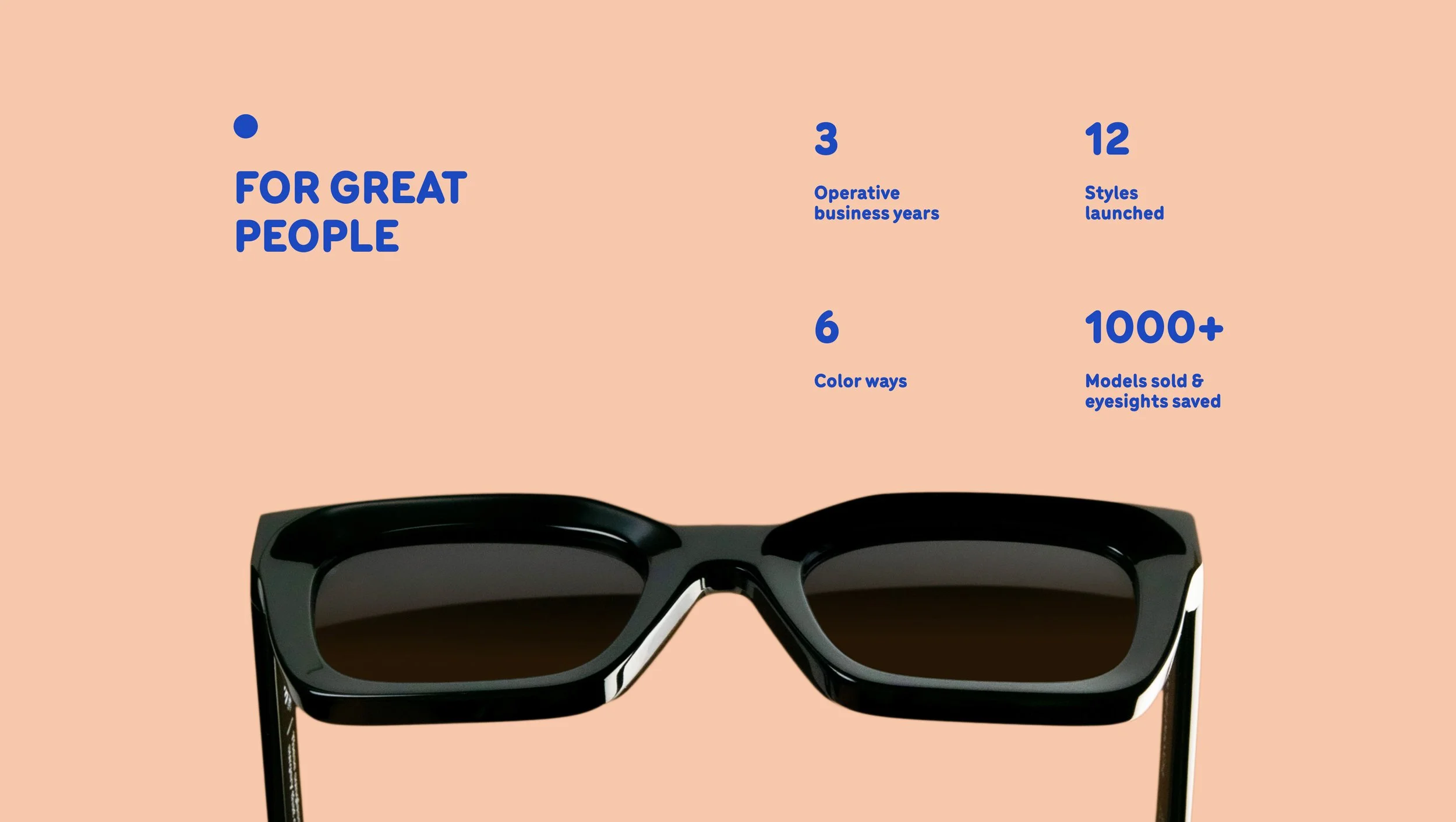
Outcome, Learnings & Reflection
Outcome
A fully operational brand system
Market-ready product collection
DTC sales platform (Reworked in this case study)
Established manufacturing pipeline
What I would do differently next time
Conduct earlier large-scale market validation
Invest sooner in performance marketing testing
Explore strategic retail partnerships alongside DTC
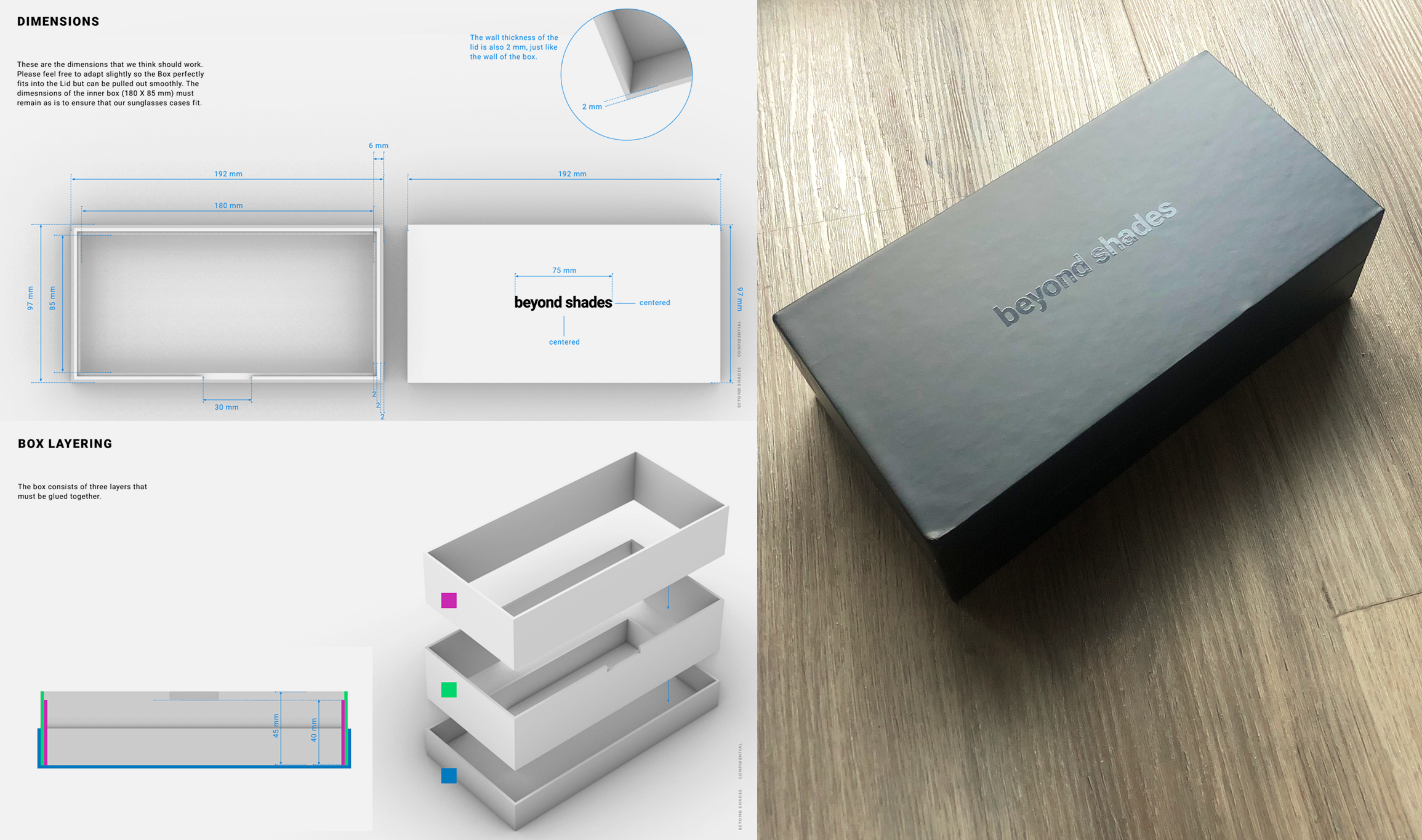
Invest more time and effort in the packaging exploration
Key learnings
End-to-end company building: Founded and developed a brand from initial concept through market launch, gaining a holistic understanding of strategy, operations, financing, and execution.
From zero to market-ready brand: Translated a vision into a fully realized brand system - positioning, identity, product, packaging, and go-to-market - ensuring consistency across all touchpoints.
Strategic brand building: Learned how clear positioning, narrative, and visual coherence create differentiation and trust in a crowded consumer market.
E-commerce execution: Built and optimized a direct-to-consumer sales channel, including user experience, conversion strategy, content, and performance measurement.
International manufacturing: Managed cross-border production workflows, supplier coordination, quality control, and timelines, balancing design intent with cost, scalability, and logistics.